
Building a Better Boat
Why we need discernment before the storm comes

Recently, my kids asked me to amuse them with a story from my childhood. Being that I was passionate and impulsive when I was young, there is no shortage of cautionary tales to draw from, impressing upon them the importance of learning from my mistakes.
This one happened to be one of my favorites.
The summer I was fourteen was one of the most memorable. A tight-knit group of friends and I wandered Traverse City, Michigan with relative impunity. We were still too young and innocent to cause any real trouble, but old enough to mistake ourselves for real grownups.
Living in a lake town, we ended up on the beach many of our summer days. One day, my buddy Tony and I decided to take our two-person inflatable “boat” out into the middle of Grand Traverse Bay. With the impossible goal of paddling with our plastic oars around the peninsula, we set out.
We did not have life jackets. We did not have cell phones. I was wearing jeans. It was just me, Tony, the ridiculously small raft, and the two flimsiest paddles one can imagine.
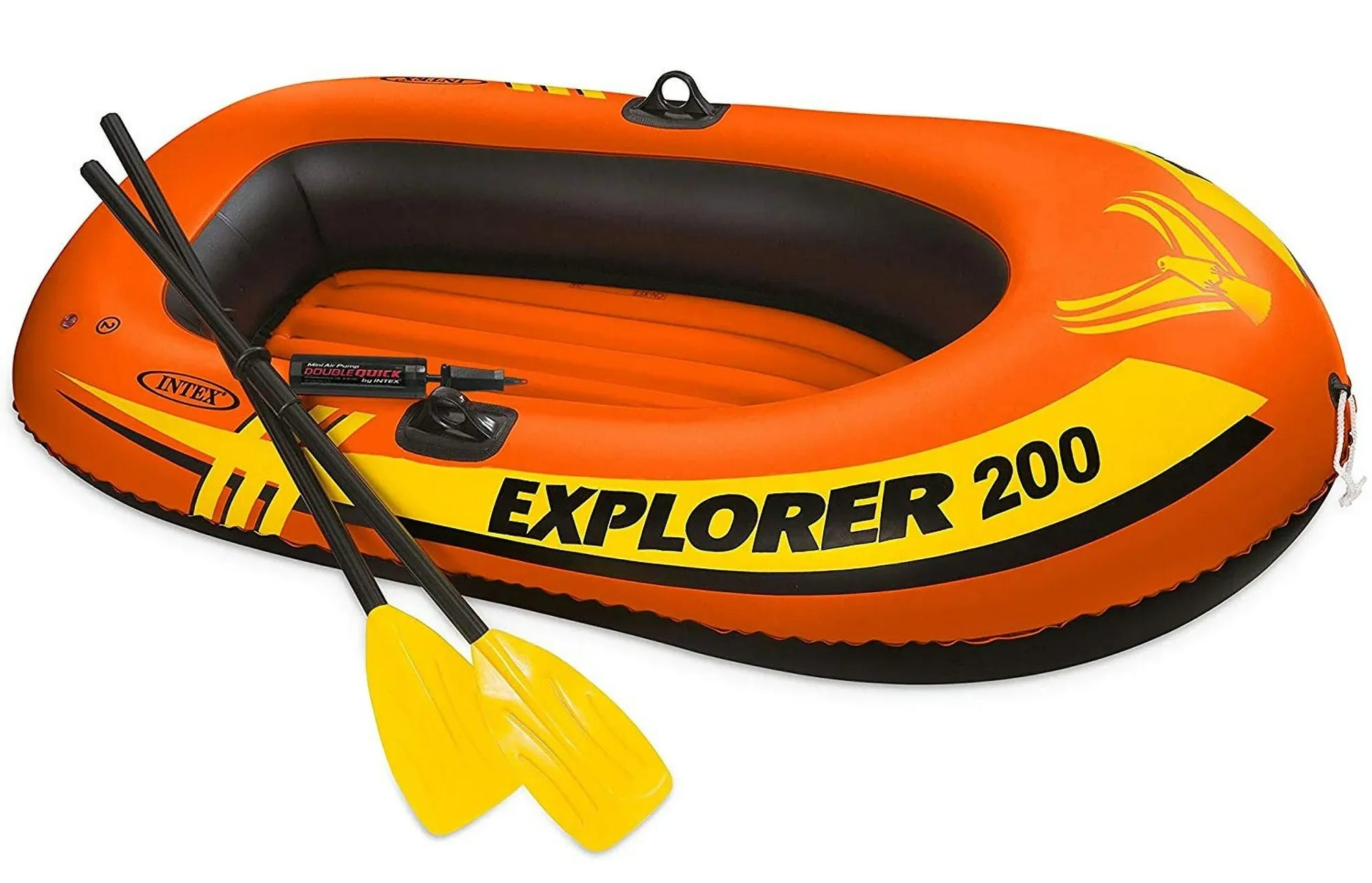
The adventure began smoothly enough, and we paddled far into the middle of the bay. However, it wasn’t long before the warning signs of our plan’s collapse began to emerge. We hadn’t checked the weather forecast. A dark cloud appeared over the peninsula, and the waves began to pick up. The bay cleared of recreational boaters, and it became evident that a storm was upon us.
We decided to start paddling back, but we were working against the waves that were increasing in size, and our plastic paddles broke. We were now adrift. The only thing between us and imminent death was a small blow-up boat.
At one point–and I don’t remember how this happened–Tony and I were both in the water. My heavy jeans made swimming incredibly difficult, and I remember feeling a moment of intense panic as I swam the raft to Tony so we could both get back in. We did. Soaked, stupid, and helpless, Tony and I started waving our plastic sticks in the air.
Fortunately, a family of boaters saw us and came to our rescue. They took us back to the beach, and Tony and I lived to tell the story.
Years later, it occurs to me that much of my early spiritual life has looked exactly like that day on Grand Traverse Bay. Every Christian is going to end up in the middle of a lake, on choppy waters, with a storm overhead. When that time comes, it’s much better to have a solid boat, sturdy oars, and life jackets and flares on board. That is precisely what St. Ignatius’ Rules for the Discernment of Spirits have given me: a sturdier boat for the storms of the interior life.
In the early years of my conversion, I was largely unaware of how the battles of my interior life would unfold. I naively believed that life as a Catholic was pretty straightforward and simple. With all of the confidence of my fourteen-year-old self, I thought that Sunday Mass and a little prayer were all I needed to face the inevitable storms—the war against the world, the flesh, and the devil.
Storms came, and I capsized over and over again. Through frequent confession, the steady emergence of real Christian community around me, and the mercy of the Lord who continued calling me deeper into intimacy with Him, I was brought safely back to shore.
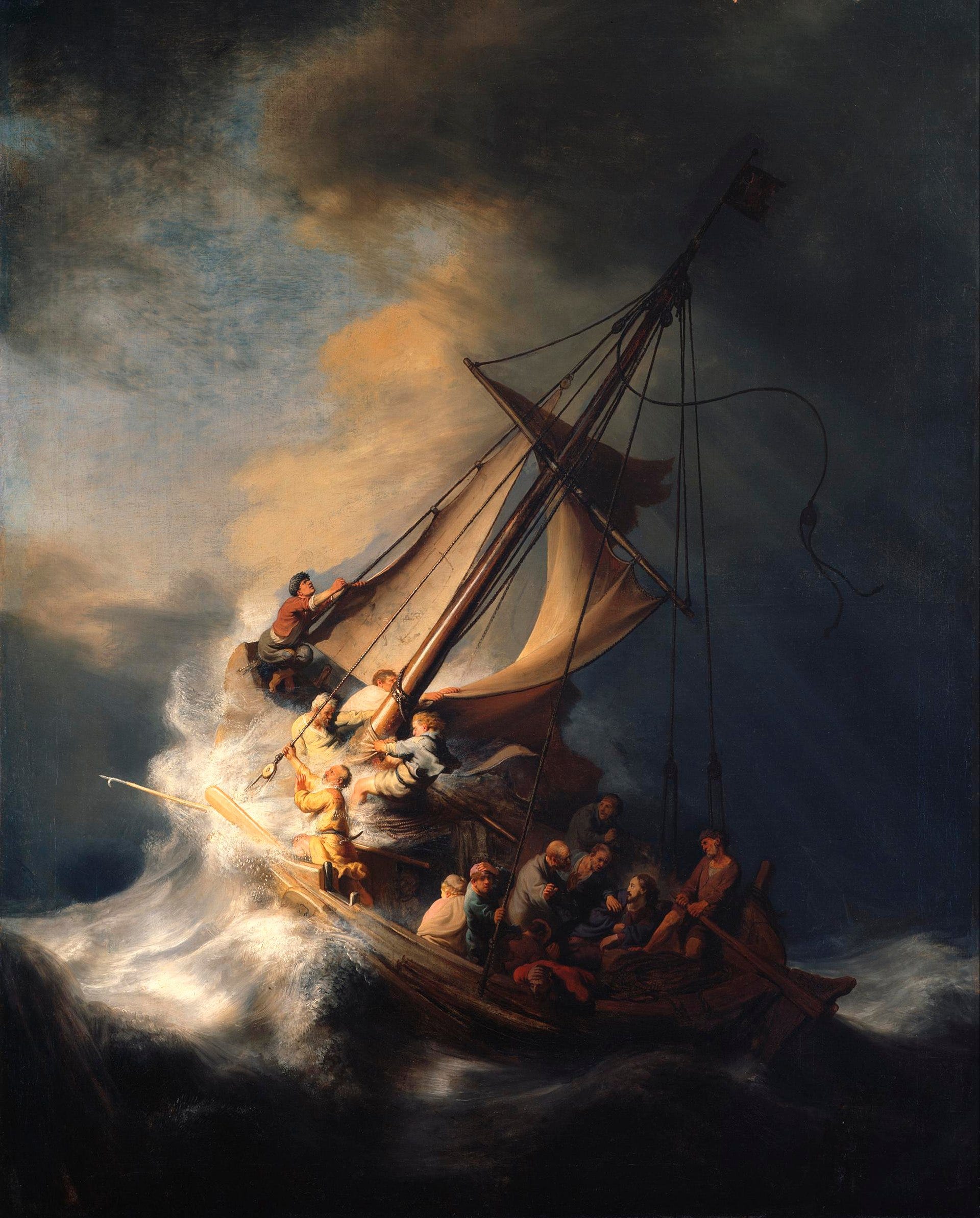
Saint Ignatius’ rules finally equipped me properly, by giving me context, vocabulary, and the understanding of exactly what was happening interiorly that rose up within me like violent storms. He introduced me to the concept of spiritual desolation and helped me recognize that some experiences I had interpreted only through the lens of depression also carried a spiritual dimension I had failed to discern.
This is not to dismiss or spiritualize psychological sufferings, nor to suggest that clinical depression is merely a failure of prayer or discernment. I am all too familiar with genuine depression and benefited from medication for many years. But it is important to realize that there are also spiritual movements that operate alongside our psychology that must be discerned rightly in order to properly respond to them.
Ignatius defines desolation in Rule four of his discernment of spirits:
Desolation is darkness of soul, disturbance in it, movement to things low and earthly… without hope, without love, finding oneself tepid, sad, and as if separated from one’s Creator and Lord.
When a soul finds itself in this state, Ignatius offers practical guidance for enduring it faithfully and returning more readily to consolation. Most of the fourteen Rules center around just that.
Before diving into the Rules, it is important to pause here with this definition of desolation and search our own hearts. Have we been here? How often do we find ourselves in a state like Ignatius describes? When we do, how do we respond? Do we understand the spiritual dimension of this suffering, or search only for other causes?
It is much more difficult to rise out of desolation when we don’t recognize that we are in it. That was certainly the case for me for many months—even years. How much more faithfully might we respond to God’s call to freedom and intimacy with Him if we first learned to recognize desolation for what it is?